When it comes to hair damage, most of us point the finger at the same suspects: the straightener left on too long, the blow dryer on full blast, the curling iron that got a little too close. Heat tools cop a lot of the blame - and yes, they can absolutely damage hair when overused.
But here's the thing nobody talks about enough: the damage often starts long before you pick up a heat tool.
I used to blast my hair with a hair dryer for ages trying to get my hair dry quickly, but it always ended up super frizzy! I even avoided my hair straightener with hopes of that helping my hair health, but that didn't help either! So that's when I started looking into what else could be going on...
What Heat Actually Does to Your Hair
Heat damage is real and well-documented. When hair is exposed to high temperatures - whether from a blow dryer, straightener, or curling iron — the proteins in the hair shaft can break down. The result is hair that looks dull, feels dry and brittle, and is more prone to snapping.
The good news is that heat damage is largely within your control. You can use a heat protectant spray, lower your tool temperature, limit how often you heat style, and let hair dry partially before blow drying. Most people already know this — and most people are at least somewhat careful about it.
Friction damage, on the other hand, flies completely under the radar.
The Hidden Culprit: Everyday Friction
Friction damage happens slowly and silently, through the small repeated actions of your daily routine that you'd never think twice about. And crucially, it happens most when your hair is at its most vulnerable - when it's wet.
Here's why that matters. Wet hair is structurally weaker than dry hair. The hair shaft swells with water, the outer protective layer (called the cuticle) lifts slightly, and the whole strand becomes more elastic and prone to stretching and breaking. In this state, even relatively gentle friction can cause real damage.
Now think about what most of us do the moment we step out of the shower. We grab a towel - usually a thick bath towel - and rub our hair dry. It feels satisfying, it's fast, and it's what most of us have done our entire lives.
But that rough, vigorous rubbing is creating enormous friction on already-fragile wet strands. The raised cuticle gets roughed up further, strands tangle and snap, and the result is frizz, breakage, and dullness - damage that accumulates wash after wash.
The Other Friction Culprits You're Probably Ignoring
Your bath towel isn't the only source of friction damage. Here are a few others worth knowing about:
Brushing wet hair aggressively Wet hair can stretch up to 50% before breaking. Dragging a brush through wet tangles puts enormous tension on each strand. Always use a wide-tooth comb or a detangling brush on wet hair, and work from the ends upward.
Cotton pillowcases Eight hours of your hair rubbing against a rough cotton surface every night adds up significantly over time. This is why silk or satin pillowcases have become such a popular recommendation from hairdressers — the smoother surface creates far less friction.
Tight hair ties and rough elastics The repeated pulling and snapping of a tight hair tie on wet hair is a surprisingly common cause of breakage, particularly around the hairline and at the nape of the neck.
Clothing and scarves The collar of a jumper, a wool scarf, even a jacket hood — all of these create friction against the hair shaft throughout the day. If you regularly wear your hair down, this kind of contact is constant.
So Which Is Worse — Heat or Friction?
Honestly? They're both damaging in different ways, and the answer depends on your routine. But here's what I'd argue: most people are already more careful about heat than they are about friction.
You probably own a heat protectant. You probably try not to straighten your hair every single day. But you're probably still rubbing your hair dry with a bath towel every time you wash it - which for many people is every day or every other day.
That's a lot of friction.
The difference is also in how the damage presents. Heat damage tends to be acute — you can trace it back to a specific event or period of overuse. Friction damage is chronic and cumulative. It's the slow erosion of hair health that leaves you wondering why your hair feels weaker, frizzier, and less shiny than it used to.
Once I started using the very first Junie hair towel prototype I noticed a difference straight away! My hair dried faster and was definitely less frizzy - had I found a hidden secret?!
How to Protect Your Hair From Friction Damage
The good news is that friction damage is almost entirely preventable with a few simple swaps:
1. Switch to a hair-specific towel This is the single biggest change you can make. A bath towel is designed for your body - it's thick, heavy, and its fibres are rough enough to scrub skin. Your hair needs something completely different.
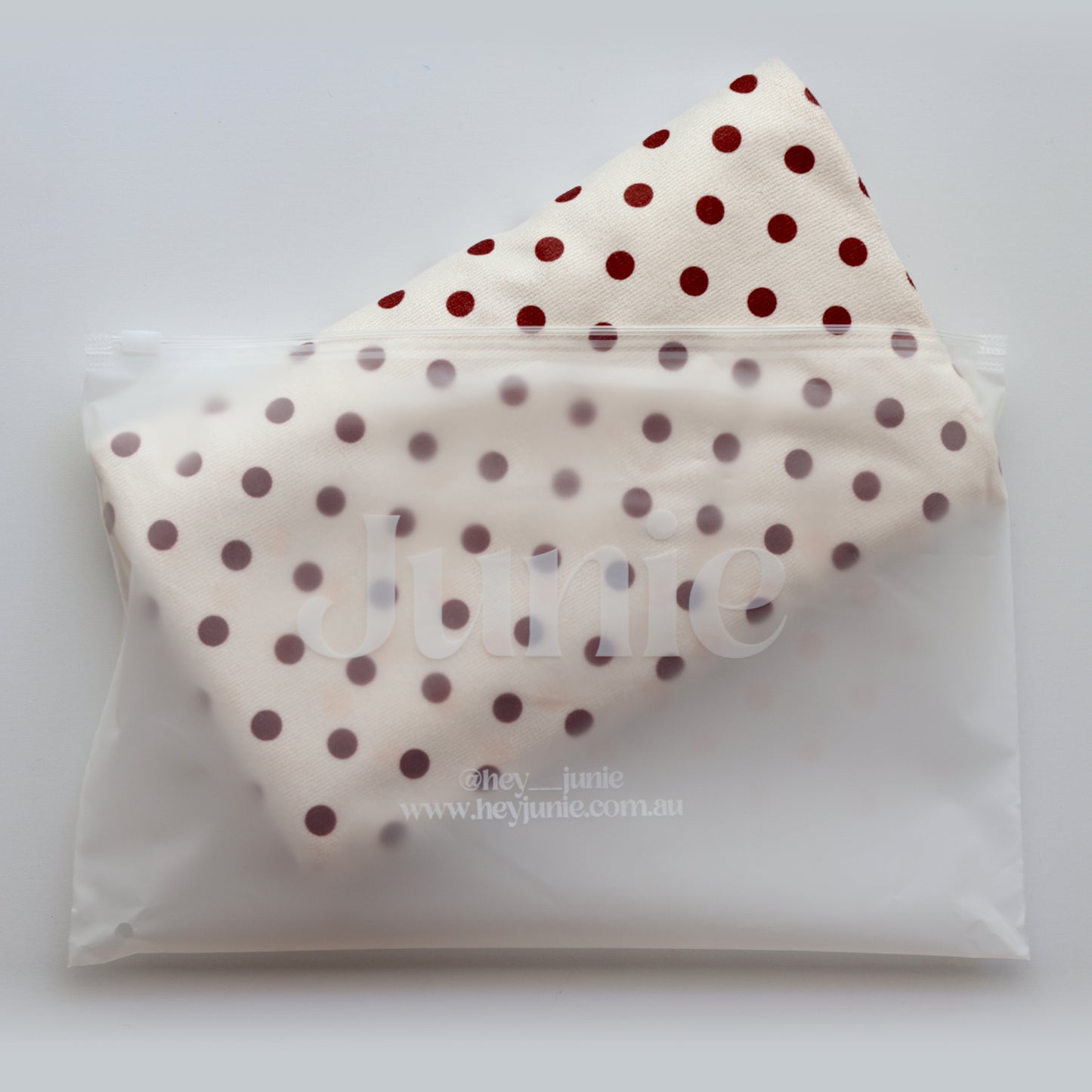
The Junie Quick-Dry Hair Towel is made from a specially developed dual-fibre blend - 82% polyester and 18% polyamide - this creates a dramatically softer, finer fabric than standard microfibre. Instead of roughing up the cuticle, it glides over strands while drawing moisture away quickly and efficiently. Less friction, faster drying, smoother hair.
2. Pat and squeeze, don't rub Even with a gentle hair towel, technique matters. Press and squeeze sections of hair to absorb water rather than rubbing back and forth.
3. Let your towel do the work Wrap your hair in a Junie towel for 5–10 minutes after washing. This will remove a huge amount of moisture with zero friction, which means less blow dry time and less heat exposure too. It's a win on both fronts!
4. Upgrade your pillowcase A silk or satin pillowcase is one of the best low-effort hair investments you can make. Your future hair will thank you.
5. Be gentle with wet hair always Wide-tooth comb over brush, loose ties over tight elastics, and patience over rushing. Wet hair rewards gentleness every time.
The Takeaway
Heat gets all the attention, but friction is quietly doing damage to your hair every single day - especially during the drying process. The easiest place to start protecting your hair isn't your styling tools. It's your towel.
Ready to make the switch? The Junie Quick-Dry Hair Towel was designed specifically to eliminate friction damage from your wash day routine — gently, quickly, and effortlessly. I created the Junie Hair Towel to make hair wash day easy and fuss free, for it to be gentle on your hair and protect your hair when it's at its most vulnerable. And all of our 5 star reviews show our customers feel it too!
Free shipping on Australian orders $59+. Comes with a reusable wet bag. Rated 5 stars by our customers.
Enjoyed this? You might also like: