You've just washed your hair with a lovely shampoo and conditioner. Your scalp feels clean, your strands feel fresh. You step out of the shower ready for a good hair day.
And then without realising it - you undo most of that good work in the next ten minutes.
It sounds dramatic, but it's true. The post-wash routine is where most hair damage actually happens, and most of us have no idea we're doing it. The culprits aren't heat tools or harsh chemicals - they're the everyday habits so routine we don't even think about them.
Here are the five biggest offenders, and exactly what to do instead.
#1: Rubbing Your Hair Dry With a Bath Towel
This is the big one — and it's the habit most people are most resistant to changing, because it feels so normal.
The problem is that bath towels are designed for your body, not your hair. Their fibres are thick and rough enough to scrub and exfoliate skin, which is exactly what you want when you're drying off. But those same rough fibres create significant friction against wet hair strands — and wet hair, as we'll get to in a moment, is at its absolute weakest.
When you rub a bath towel vigorously over wet hair, you're doing several damaging things at once. You're lifting and roughing up the hair cuticle (the outer protective layer of each strand), you're creating tangles that then snap when you try to brush them out, and you're causing friction that leads directly to frizz, dullness, and breakage over time.
The fix is twofold: change your technique, and change your tool.
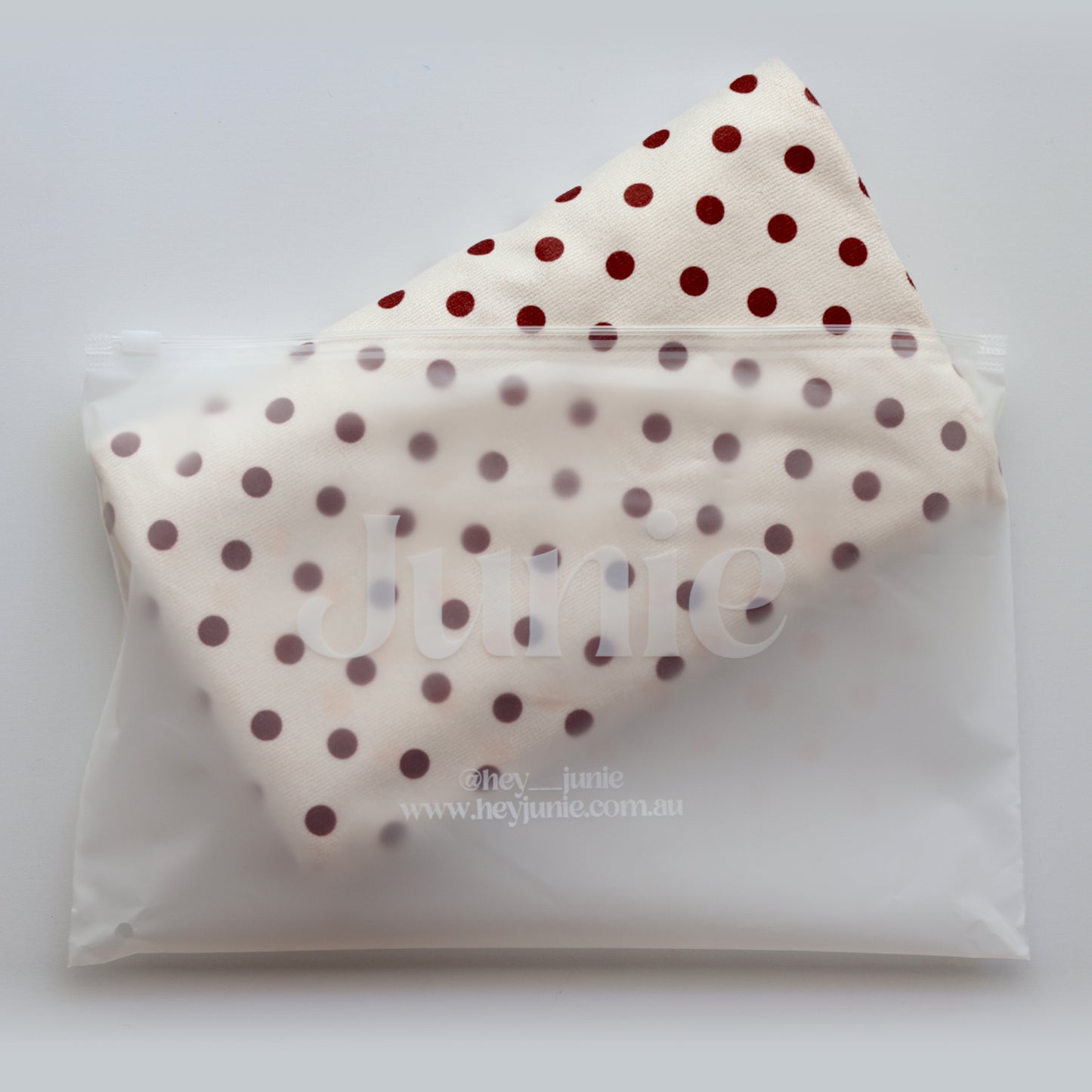
Instead of rubbing, squeeze and press sections of hair to absorb water. And swap your bath towel for a hair-specific towel made from a gentler fabric. The Junie Quick-Dry Hair Towel is made from a specially woven dual-fibre fabric blend - significantly softer and finer than standard microfibre - that glides over strands rather than roughing them up, while absorbing moisture quickly and efficiently.
It's one of those swaps that feels small but makes a noticeable difference from the very first wash.
#2: Twisting Your Hair Too Tightly
We've all done it — flipped wet hair forward, grabbed the towel, and twisted everything up into a tight turban. It's fast, it keeps hair out of the way, and it feels like it must be doing something productive.
The issue is the tension. Wet hair is incredibly elastic — it can stretch significantly before it snaps, but that elasticity has limits. Twisting hair tightly while it's wet puts prolonged tension on every strand and on the roots, which over time weakens the hair shaft and can cause breakage, particularly around the hairline where hair is already finer and more delicate.
The better approach is a loose, secure wrap rather than a tight twist. A well-designed hair towel should stay in place comfortably without needing to be cranked tight — the Junie towel's elastic loop holds everything securely without any pulling or tension, so your hair can dry gently while you get on with your skincare or morning routine.
#3: Blow Drying Soaking Wet Hair
Here's a mistake that feels efficient but is actually costing you time and hair health: reaching for the blow dryer before your hair has had any chance to dry naturally.
Blow drying soaking wet hair means exposing it to heat for much longer than necessary — because you're fighting physics, trying to evaporate a large volume of water with heat alone. The longer your hair is exposed to heat, the more stress it's under. And wet hair, remember, is weaker than dry hair, making it more vulnerable to heat damage in this state.
The simple fix: let your hair towel do the first stage of drying for you. Wrap your hair in a Junie towel for just 5–10 minutes after washing. In that time, the fabric absorbs a significant amount of moisture passively — with zero heat and zero friction. When you then blow dry, you're starting from damp rather than soaking, which means less time under heat, less damage, and a faster result overall.
It's one of those situations where slowing down actually speeds things up.
#4: Ignoring Friction After the Towel Comes Off
Most people think about towel friction and then stop — but your hair continues to encounter friction long after the towel is off. And if it's still damp, it's still vulnerable.
Leaving wet hair loose against rough fabrics — the collar of a robe, a cotton t-shirt, a jumper — creates repeated friction as you move around. Sleeping on a rough cotton pillowcase with even slightly damp hair compounds the problem. These small sources of friction are easy to overlook precisely because they're so constant and low-level, but they add up significantly over time.
A few easy wins here:
- Let hair dry fully before going to bed — or swap to a silk or satin pillowcase if you often sleep with damp hair
- Be mindful of rough fabric collars when hair is still damp after washing
- Use a wide-tooth comb rather than a brush on damp hair, working from the ends upward to avoid unnecessary tension
#5: Going to Bed With Wet Hair
This one happens quietly — literally. Sleeping with wet hair means hours of friction against a cotton pillowcase while you're completely unaware of it. Cotton is surprisingly rough on fragile wet strands, and your hair feels every bit of it by morning.
The damage isn't just from one night — it's the accumulation of the same friction, repeated every time you go to bed with damp hair.
The fix: dry your hair before bed where possible. If that's not always realistic, swapping to a silk or satin pillowcase creates significantly less friction than cotton and is a genuinely worthwhile change for your hair health overall.
Why It All Starts With Wet Hair
There's a common thread through all five of these habits: they all do the most damage when hair is wet. And that makes the first few minutes after washing the most important time to be gentle with your hair.
Wet hair is more porous, more elastic, and more fragile than dry hair. The cuticle is lifted, the shaft is swollen with water, and every source of friction, tension, and heat has a greater impact than it would on dry hair. Getting this window right — being genuinely gentle with your hair while it's at its most vulnerable — is the foundation of healthier hair over time.
It's not complicated. It's just about having the right habits and the right tools.
The Simple Swap That Fixes Most of These at Once
If you're looking for one change that addresses the majority of post-wash hair damage, it's your towel.
Switching from a bath towel to the Junie Quick-Dry Hair Towel eliminates the roughest source of friction in your routine, encourages a gentler drying technique, absorbs enough moisture to reduce your blow dry time, and wraps securely without tight tension. It won't fix everything on this list by itself — but it's the single most impactful place to start.
Your hair is at its most vulnerable right after washing. It deserves better than a bath towel.
Free shipping on Australian orders $89+. Comes with a reusable wet bag.
Rated 5 stars by our customers.
Enjoyed this? You might also like:
- Heat vs Friction: What Actually Damages Your Hair More?
- Why Frizz Starts Before You Even Style Your Hair
- Why Not All Hair Towels Are Equal (And Why Your Fabric Actually Matters)